
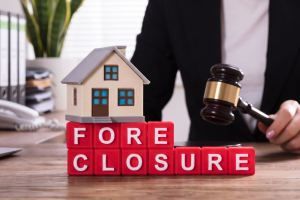
 One of the most stressful situations you can experience as a homeowner is facing foreclosure. Will filing bankruptcy stop foreclosure? The answer is yes, but the extent of protection depends on which type you file. Bankruptcy can provide immediate relief through an automatic stay that halts foreclosure proceedings. To cite an instance, Chapter 7 can delay the foreclosure by a number of months and give you breathing room to explore options. Chapter 13 offers a more permanent solution. Does bankruptcy stop foreclosure permanently? Chapter 13 can, as it allows you to catch up on overdue mortgage payments through a repayment plan lasting up to five years. Kentucky homeowners seeking to stop foreclosure must understand whether Chapter 7 or Chapter 13 is right for their situation. This decision is significant.
Can Bankruptcy Stop Foreclosure in Kentucky?
Filing bankruptcy in Kentucky triggers an automatic stay from the court that stops foreclosure proceedings right away. This legal protection halts scheduled foreclosure sales and ongoing lawsuits. It also stops all collection activities against you and your property. The automatic stay answers the question “will filing bankruptcy stop foreclosure” with a clear yes. The duration and outcome depend on which chapter you file, though.
Chapter 7 bankruptcy wipes out qualifying debt in about four months. The automatic stay pauses foreclosure during this period but doesn’t offer a permanent fix for mortgage arrears. Foreclosure can resume once you receive a discharge and the stay lifts. It can also resume if the lender asks the court to remove the stay earlier. Courts often grant these requests in Chapter 7 cases where you’re not current on the mortgage and have no equity to protect.
Chapter 13 treats mortgage arrears as a debt that must be repaid if you plan to keep your house. You can spread the overdue amount over your plan period, up to five years. You pay it down monthly among your regular mortgage payment. The lender can’t foreclose as long as you stay current on both. The stay remains in effect throughout the plan period because you’re repaying arrears.
Chapter 13 vs Chapter 7: Choosing the Right Path
Choosing between these two chapters depends on your income and assets, and whether you can catch up on missed payments. Chapter 7, often called liquidation, discharges most unsecured debts within three to five months. This quick timeline makes it affordable and straightforward for cases where you have few assets and income below your state’s median. But does chapter 7 bankruptcy stop foreclosure permanently? No. It only delays the process temporarily. Chapter 7 lacks any mechanism to make up missed payments, so you’ll lose your home if you’re behind.
Chapter 13 operates differently. It requires regular income and involves a three to five year repayment plan. Will a chapter 13 stop foreclosure? Yes, and it keeps it stopped as long as you make plan payments. You can spread mortgage arrears across the entire plan period while making current payments. On top of that, Chapter 13 offers lien stripping for wholly unsecured junior mortgages when your home’s value doesn’t cover your first mortgage balance. This tool doesn’t exist in Chapter 7.
Can bankruptcy stop foreclosure if your income exceeds median levels? Chapter 7 might not be available due to means testing. In that case, Chapter 13 becomes your option for debt relief while protecting your home.
What to Know Before Filing Bankruptcy in Kentucky
You need to understand Kentucky’s means test before you can file. It determines your eligibility. Your income decides whether you qualify for Chapter 7 or must pursue Chapter 13 instead. The means test uses your average monthly income from the past six months. Median income thresholds vary by household size in Kentucky: single person households have a median of $40,633, two person households $47,788, three person $53,639, and four person $67,839 each year.
You qualify for Chapter 7 without additional calculations if your income falls below these thresholds. Income above the median requires completing the full means test. It subtracts allowable expenses from your income to determine disposable income. Chapter 13 remains available as an alternative if the means test shows you don’t qualify.
Credit counseling is mandatory within 180 days before filing. This requirement applies whatever chapter you pursue.
Learning about alternatives before filing can save you from bankruptcy’s credit effect. HUD-approved housing counselors provide free foreclosure prevention assistance. They can negotiate with lenders on your behalf and help you understand loan modification options. Short sales and deeds in lieu of foreclosure offer ways to avoid foreclosure without bankruptcy, though both carry tax implications on forgiven debt.
A Kentucky bankruptcy attorney can guide you through exemption choices and determine the best path forward.
Bankruptcy can stop foreclosure, but choosing the right chapter matters. Chapter 7 offers temporary relief. Chapter 13 provides a permanent solution if you commit to a repayment plan. Your income and financial situation will determine which path works best for you. We recommend consulting with a Kentucky bankruptcy attorney who can review your specific circumstances before you make any decisions. The attorney will help you explore available options and protect your home.
We Provide Bankruptcy Law Services For Our Clients
You tried to do things right. You worked hard, paid your bills on time and thought you had it made. Then a catastrophic medical event, job loss, or divorce threw your financial situation into upheaval. Could bankruptcy be the solution for you? Talk to Helmer Somers Law and find out. Almost 1,000,000 people file for bankruptcy every year. It’s nothing to be ashamed of. Not looking out for your future well-being would be a shame.
> Learn More
FAQs
Q1. Can filing bankruptcy help me save my home from foreclosure? Yes, bankruptcy can help prevent foreclosure. Chapter 7 bankruptcy typically delays foreclosure by several months, providing temporary relief. Chapter 13 bankruptcy offers a more permanent solution by allowing you to catch up on missed mortgage payments through a structured repayment plan lasting three to five years.
Q2. How long do I have before my lender can start foreclosure proceedings in Kentucky? In Kentucky, your lender can file a foreclosure lawsuit once 120 days have passed since your first missed mortgage payment. This gives you approximately four months from the initial default before formal foreclosure proceedings can begin in state court.
Q3. Which is a better option for dealing with mortgage debt—bankruptcy or foreclosure? Bankruptcy typically offers broader debt relief and can address multiple financial obligations beyond just your mortgage. If you want to stop a pending foreclosure and keep your home, Chapter 13 bankruptcy is often the better choice as it provides a structured way to catch up on missed payments while protecting your property.
Q4. Which type of bankruptcy can permanently stop foreclosure? Chapter 13 bankruptcy can permanently stop foreclosure as long as you maintain your repayment plan. It allows you to spread overdue mortgage payments across three to five years while keeping current on your regular mortgage, preventing the lender from foreclosing during this period.
Q5. Does Chapter 7 bankruptcy provide a permanent solution to foreclosure? No, Chapter 7 bankruptcy only provides temporary foreclosure relief. While it can delay the foreclosure process by several months through an automatic stay, it doesn’t offer a mechanism to catch up on missed mortgage payments. Once the bankruptcy is discharged, foreclosure proceedings can resume if you’re still behind on payments.
Contact Us (859-371-0730) for a Consultation Today
—

About Helmer Somers Law
Helmer Somers Law helps individuals and businesses navigate the complex system of rules that accompany all legal situations. We are licensed to practice in both Kentucky and Ohio and offers flexible, affordable payment terms for our services. We welcome the opportunity to earn your trust and become your lawyer for life! It’s a fact of life in the modern world. There comes a time for virtually every adult American when the services of a competent, dedicated lawyer are required. Circumstances such as divorce, bankruptcy, estate planning or an income tax audit demand that your rights be protected, and your long-term interests advocated for with diligence and perseverance. When you call Helmer & Somers Law, you can rest assured that they will be.