
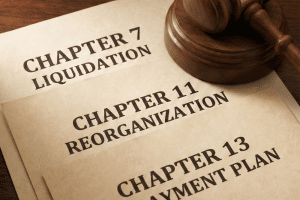
 Bankruptcy is a legal mechanism that provides individuals and businesses a way to address overwhelming debt. It can offer a fresh start, but navigating the various types of bankruptcy can be complex. Each type serves different needs and has distinct implications for your financial future. This article will explore the various types of bankruptcy, their processes, and the circumstances under which they may be appropriate.
What is Bankruptcy?
Bankruptcy is a legal process that allows individuals or entities to eliminate or reorganize their debts when they can no longer meet their financial obligations. The U.S. Bankruptcy Code outlines several chapters, each designed for specific situations. Understanding these chapters is crucial for anyone considering bankruptcy as a solution to their financial troubles.
The Purpose of Bankruptcy
The primary goal of bankruptcy is to provide relief from debt while allowing the debtor to make a fresh start. It can halt collection actions, stop foreclosure, and provide a structured way to repay debts. However, it also comes with long-term consequences, including a significant impact on credit scores.
Key Considerations Before Filing
Before deciding to file for bankruptcy, it’s essential to consider the following:
-
- Type of Debt: Determine whether your debts are secured (like mortgages) or unsecured (like credit cards).
- Income Level: Assess your income to see if you qualify for specific types of bankruptcy.
- Assets: Understand what assets you may need to liquidate or protect.
- Long-term Financial Goals: Consider how bankruptcy will affect your future financial plans.
Chapter 7 Bankruptcy: Liquidation
Chapter 7 is often referred to as “liquidation bankruptcy.” It is designed for individuals and businesses that cannot repay their debts. This type of bankruptcy allows for the discharge of most unsecured debts, providing a fresh start.
How Chapter 7 Works
-
- Filing: The process begins with filing a petition in bankruptcy court.
- Means Test: Debtors must pass a means test to qualify, demonstrating that their income is below the state median.
- Asset Liquidation: A court-appointed trustee will liquidate non-exempt assets to pay creditors. However, many filers retain their essential assets due to exemptions.
- Discharge of Debts: Most unsecured debts are discharged within a few months, allowing the debtor to start anew.
Pros and Cons of Chapter 7
Advantages:
-
- Quick process, typically lasting 4-6 months.
- Most unsecured debts are eliminated.
- Provides immediate relief from creditors.
Disadvantages:
-
- Can result in the loss of non-exempt assets.
- Stays on credit reports for up to 10 years.
- Certain debts, like student loans and taxes, are not dischargeable.
Chapter 13 Bankruptcy: Reorganization
Chapter 13 is often called the “wage earner’s plan.” It is designed for individuals with a regular income who wish to repay their debts over time while keeping their assets.
How Chapter 13 Works
-
- Filing: Similar to Chapter 7, the process begins with filing a petition.
- Repayment Plan: Debtors propose a repayment plan that lasts 3-5 years, detailing how they will repay their debts.
- Court Approval: The plan must be approved by the court, and the debtor makes monthly payments to a trustee who distributes the funds to creditors.
- Discharge of Remaining Debts: At the end of the repayment period, any remaining unsecured debts may be discharged.
Pros and Cons of Chapter 13
Advantages:
-
- Allows debtors to keep their homes and other assets.
- Stops foreclosure and repossession actions.
- Provides a structured repayment plan.
Disadvantages:
-
- The process can take several years.
- Requires a steady income to make monthly payments.
- Stays on credit reports for up to 7 years.
Chapter 11 Bankruptcy: Business Reorganization
Chapter 11 is primarily used by businesses but can also be filed by individuals with substantial debts. It allows for reorganization rather than liquidation, enabling the business to continue operations while restructuring its debts.
How Chapter 11 Works
-
- Filing: The business files a petition in bankruptcy court.
- Reorganization Plan: The debtor proposes a plan to restructure debts, which must be approved by creditors and the court.
- Operations Continue: The business can continue operating while implementing the plan.
- Debt Discharge: Once the plan is completed, remaining debts may be discharged.
Pros and Cons of Chapter 11
Advantages:
-
- Allows businesses to continue operations during the process.
- Provides flexibility in restructuring debts.
- Can lead to a more favorable outcome for creditors compared to liquidation.
Disadvantages:
-
- The process can be lengthy and expensive.
- Requires significant legal and financial expertise.
- Stays on credit reports for up to 10 years.
Chapter 12 Bankruptcy: Family Farmers and Fishermen
Chapter 12 is specifically designed for family farmers and fishermen facing financial distress. It allows them to reorganize their debts while continuing their operations.
How Chapter 12 Works
-
- Filing: Eligible debtors file a petition in bankruptcy court.
- Repayment Plan: A repayment plan is proposed, typically lasting 3-5 years.
- Court Approval: The plan must be approved by the court, allowing the debtor to make payments based on their income.
- Discharge of Remaining Debts: After completing the plan, any remaining eligible debts may be discharged.
Pros and Cons of Chapter 12
Advantages:
-
- Tailored specifically for family farmers and fishermen.
- Allows for continued operation during the repayment period.
- Generally less expensive than Chapter 11.
Disadvantages:
-
- Limited to specific types of debtors.
- Requires a regular income to make payments.
- Stays on credit reports for up to 7 years.
Chapter 9 Bankruptcy: Municipalities
Chapter 9 is designed for municipalities, such as cities and towns, that are unable to meet their financial obligations. It provides a way for these entities to reorganize their debts.
How Chapter 9 Works
-
- Filing: Municipalities file a petition in bankruptcy court.
- Debt Adjustment Plan: The municipality proposes a plan to adjust its debts, which must be approved by creditors and the court.
- Protection from Creditors: Filing for Chapter 9 provides protection from creditors while the municipality develops its plan.
Pros and Cons of Chapter 9
Advantages:
-
- Allows municipalities to restructure debts without liquidating assets.
- Provides a framework for negotiating with creditors.
- Protects essential services during the process.
Disadvantages:
-
- Limited to municipalities; not available for individuals or businesses.
- The process can be complex and lengthy.
- Public scrutiny and potential political ramifications.
Chapter 15 Bankruptcy: Cross-Border Issues
Chapter 15 is a relatively new addition to the bankruptcy code, designed to address cases involving debtors with assets or liabilities in multiple countries. It facilitates cooperation between U.S. and foreign courts.
How Chapter 15 Works
-
- Filing: A foreign debtor files for bankruptcy in their home country.
- Recognition in the U.S.: The foreign bankruptcy court can request recognition of the case in the U.S. under Chapter 15.
- Coordination: U.S. courts work with foreign courts to manage the debtor’s assets and liabilities.
Pros and Cons of Chapter 15
Advantages:
-
- Provides a framework for dealing with international bankruptcy cases.
- Facilitates cooperation between different legal systems.
- Protects U.S. assets of foreign debtors.
Disadvantages:
-
- The process can be complicated and requires legal expertise.
- Limited to specific cases involving cross-border issues.
- May not provide the same level of relief as other chapters.
Choosing the Right Type of Bankruptcy
Selecting the appropriate type of bankruptcy is crucial for achieving the desired financial outcome. Here are some factors to consider:
Assessing Your Financial Situation
-
- Debt Type: Identify whether your debts are secured or unsecured.
- Income Level: Determine if you meet the income requirements for specific bankruptcy types.
- Asset Ownership: Evaluate what assets you may need to liquidate or protect.
Seeking Professional Guidance
Consulting with a bankruptcy attorney or financial advisor can provide valuable insights into your options. They can help you navigate the complexities of the bankruptcy process and determine the best course of action.
Bankruptcy can be a powerful tool for individuals and businesses facing insurmountable debt. Understanding the various types of bankruptcy—Chapter 7, Chapter 13, Chapter 11, Chapter 12, Chapter 9, and Chapter 15—can help you make informed decisions about your financial future. Each type has its own processes, advantages, and disadvantages, so it’s essential to assess your situation carefully and seek professional guidance when necessary. By doing so, you can take the first steps toward regaining control of your financial life.
We Provide Legal Bankruptcy Services
You tried to do things right. You worked hard, paid your bills on time and thought you had it made. Then a catastrophic medical event, job loss, or divorce threw your financial situation into upheaval. Could bankruptcy be the solution for you? Talk to Helmer Somers Law and find out. Almost 1,000,000 people file for bankruptcy every year. It’s nothing to be ashamed of. Not looking out for your future well-being would be a shame. Let Helmer Somers Law make sure you don’t sign your rights away.
> Learn More
Contact Us (859-371-0730) for a Consultation Today
—

About Helmer Somers Law
Helmer Somers Law helps individuals and businesses navigate the complex system of rules that accompany all legal situations. We are licensed to practice in both Kentucky and Ohio and offers flexible, affordable payment terms for our services. We welcome the opportunity to earn your trust and become your lawyer for life! It’s a fact of life in the modern world. There comes a time for virtually every adult American when the services of a competent, dedicated lawyer are required. Circumstances such as divorce, bankruptcy, estate planning or an income tax audit demand that your rights be protected, and your long-term interests advocated for with diligence and perseverance. When you call Helmer & Somers Law, you can rest assured that they will be.